
What flowers during February?
Bougainvillea, Hibiscus, perennial Salvia, Verbena, Tulbaghia, Phlox, Vinca, Nierembergia, Cuphea, Canna, Frangipani, Tecomaria, Plumbago, Gloriosa superba, Barleria obtusa, Crassula, Portulaca, Mimulus, Mandevilla, Agapanthus, Heliotrope, Zinnia, roses
General Maintenance
- Prune shrubs that finished flowering eg. Gaura, Buddleja and Felicia back by 1/3 and feed
- Feed flower beds with an organic fertilizer, an easy option is the slow-release chicken manure pellets.
- Give a thorough soaking twice a week and mulch to help plants cope with hot, dry conditions
- Feed Dahlias with liquid fertilizer and stake taller varieties
- Add a layer of compost to all beds
- Deadhead flowering plants regularly – plants allowed to produce seed put all their energy into this and stop flowering
- Mist-spray houseplants on hot days to provide extra moisture
- Rotate indoor and shady patio plants towards the light to ensure even leaf growth
- Water and feed camellias, azaleas and hydrangeas to ensure a good flowering period. mulch with pine needles
- Try zoning your garden in sections according to the water requirements – and irrigate accordingly to save water
- Wind evaporates a lot of moisture – plant or erect hedges to stop the flow of air
Roses
- Water roses sufficiently, and keep them well mulched
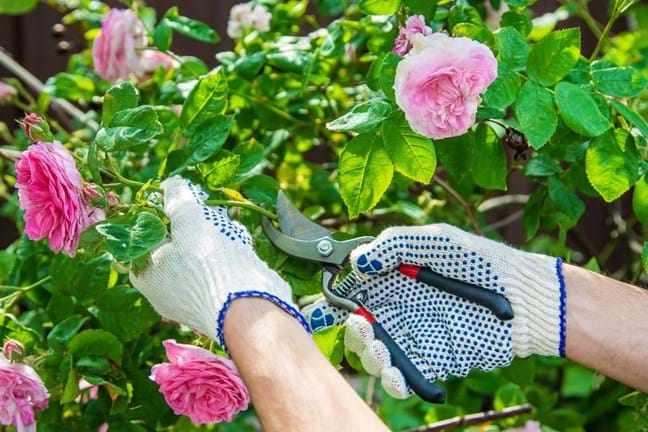
- At the end of February, prune roses back by a third and remove all diseases leaves
- Feed with organic fertilizer or 8:1:5 for a last round of flowers
- To cool the roses down, use overhead sprinklers late afternoon
- Newly planted roses can be protected from the afternoon sun with a shade net cover
- Foliar feed early in the morning or very late in the afternoon
- Spray against black spot, mildew and fungus
- Scale must be kept at bay
- Curb red spider mite in the hot weather. Use Ludwighs range of products for roses
What to sow
When temperatures start dropping …… which will only happen in March …, sow Calendula, Iceland poppies, Larkspurs, Lupins, Pansies, Stocks, Violas!
What to plant
- Celosia, Salvia, Petunia, Impatiens, Vincas, Begonias, Marigolds, Portulaca. Plant annual seedlings out in the late afternoon to give them the benefit of a cool night
- Any of the following shrubs that are endemic to the Western Cape, to look good during this hot and windy month:
Confetti bushes, Buchu, Restios, Tecomaria, Plumbago, Erica, Euryops - To curb fungal diseases in the soil, do not plant Petunias in the same spot when the previous plants are removed
Red flowers for February:
- Plant red flowering plants for a special Valentine’s Dinner in your garden – Lobelia speciosa ‘Vulcan Red’, French Marigold Fireball, Salvia farinacea, roses – ‘Red and Fragrant’ from Ludwighs (you can order online), Begonia
Diseases
Keep an eye out for……
- Fungus on Agapanthus and Hydrangeas – white markings on the leaves..
- Fungus on Zantedeschia – rotting just above the bulb. Take plant out, cut back.
- Red spider mite can present a problem during hot, dry weather. Watch out for a mottled appearance on the upper surface, and on close inspection small reddish insects and a fine spider web on the underside of the leaves.
Lawn
- Watch out for lawn caterpillar infestations
- Lift the lawnmower blade to the highest position
- Put a wet towel on the lawn at night, inspect the next morning for unwelcome visitors.
- Feed lawns with Neutrog Sudden Impact
Note:
Irrigate early in the morning rather than in the evening to prevent fungus growth on the lawn. Irrigate for a longer period, less often, for deeper roots
Vegetable Garden
What to sow in dapple shade or under light shadecloth:
- Beetroot, broccoli, Brussel sprouts, cabbage, carrots, cauliflower, celery, dwarf beans, leeks, lettuce, onions, parsley, parsnips, runner beans, rhubarb, spinach, radish, kale, rocket, mustard greens and turnips
What to plant, preferably under some cover:
- Tomatoes, chillies, basil, lettuce, celery, parsley, brinjal, chives, oregano, marjoram, thyme, sage, coriander
- To green up yellow leaves of citrus trees, sprinkle Epsom salts around the drip line and foliar feed with trace elements
Important
- Use up chemicals that has been prepared for spraying.Once mixed it can’t be stored. Mix the right quantity to be used..
- LOCK AWAY ALL CHEMICALS USED IN THE GARDEN, AND IF REMOVED FROM ORIGINAL CONTAINER, MARK PROPERLY.
- DO NOT THROW CHEMICALS THAT ARE PAST THE EXPIRY DATE DOWN THE DRAIN. KEEP LOCKED AWAY UNTIL IT CAN BE DISPOSED OF RESPONSIBLY.
- CHECK YOUR SUPPLY BEFORE BUYING NEW CHEMICALS
- Wear gloves when spraying, and stand clear of the mist
- Never spray on a windy day, especially when using a herbicide
- Try the new Biological Recipes for garden pests, it is under ARTICLES, or find other recipes on internet
- Remember that these options will not have the immediate effect of hard chemicals, but in the long term you will be rewarded with a friendly garden environment!