
What flowers during December?
Summer-flowering annuals – visit your local nursery
Perennials: Agapanthus, Alstroemeria, Lobelia cardinalis, Dahlias, Cannas, Penstemon, Gaura, Marguerites, Cannas, Dietes, Phlox, Gladioli, Scabiosa, Statice, Shasta daisies, Day lilies, Lavender, Cuphea, Plectranthus, Verbena, Pentas, Salvias, Coreopsis, Fuchsias, New Guinea Impatiens, Vincas
Shrubs: Roses, Tecomaria, Coleonema, Heliotrope, Hibiscus, Viburnum, Mackaya bella, Chrysanthemum, Phygelia, Felicia, Spiraea, Jasmin, Gardenia, Strelitzia, Hydrangea, Gardenias
Climbers: Pandorea, Mandevilla, Bougainvillea
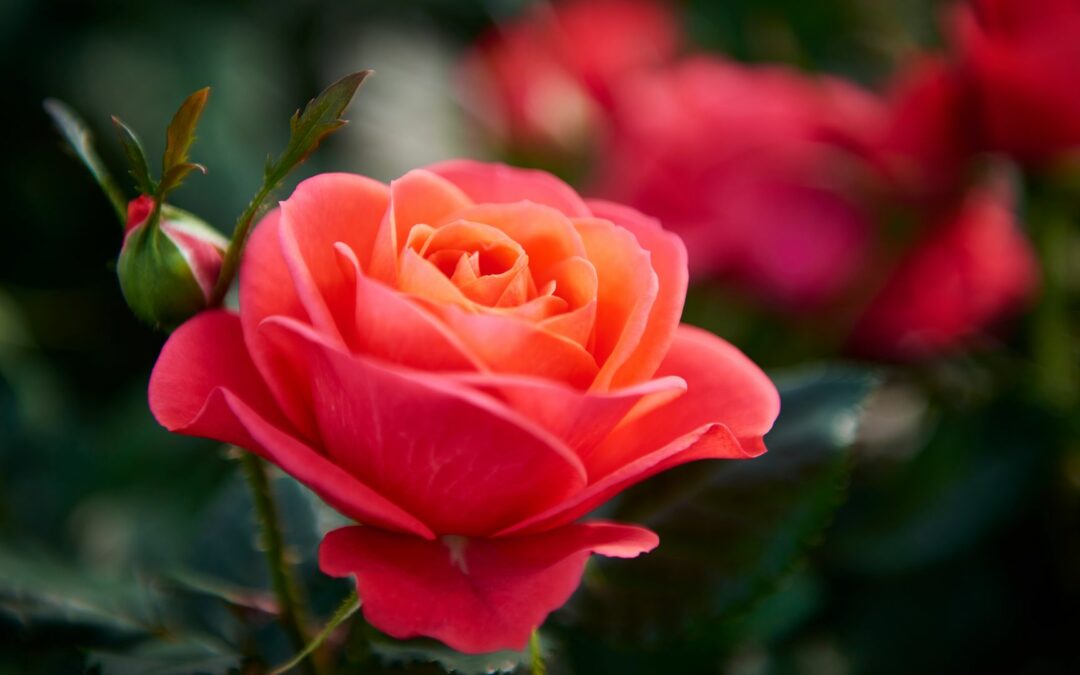
This is a busy month for all, but ensure your tasks are completed early to allow you time to enjoy your garden over the festive season. The second flush of roses and the early Summer flowering annuals are just beginning to open. Hydrangeas, Liliums, Day Lilies and Agapanthus add to the beauty of the garden.
PLEASE KEEP THE FOLLOWING IN MIND:
- Keep your municipal water restrictions in mind
- Mulch with bark, compost, pebbles, rock, shells, shredded newspaper …. Anything organic you can find to minimize water evaporation
- Remove weeds regularly, they use up valuable water
- If you are planting a new garden or want to add a few plants to your existing garden – opt for waterwise indigenous, or have a look at waterwise plants from other countries
- People waste water, not plants. Water in the coolest part of the morning or evening and avoid watering when windy or hot
- Don’t cut the sun-damaged branches from shrubs
- Make sure your irrigation system timer is set correctly and all the sprays heads are working efficiently.
- Consider a drip irrigation system, it uses less water and is able to reach large garden pots as well.
General Maintenance
– Feed flowering shrubs with chicken manure once a month
– Continue mulching to retain moisture and suppress weed growth
– Continue deadheading summer-flowering annuals and continue feeding with a fertilizer with a high potassium content to prolong the flowering period
– Nip out the flower buds of foliage plants
– Plants in pots must be watered at least once a day, and remember to mulch pots to retain moisture
– Feed hydrangeas with acid compost or peat to encourage blue flowering – Add water retention granules to your outdoor pots (see water-saving tips)
– Spray seaweed extract as foliar feed, or add to watering can every second week
– Pot up plantlets, which have developed on Dietes and Day Lily flower stems
– Semi-hardwood or half-ripe cuttings of Hypericum, Fuchsia, Hydrangea, Pentas, Pelargonium and Lavender can be taken this month
– Spray the leaves of foliage plants in hot, dry weather. If this is done outdoors, ensure that the plants are in the shade – the leaves are sensitive to the sun and will burn easily. Do not wet grey, hairy leaves
Bulbs/ corms
-Amaryllis belladonna – in the summer rainfall areas, lift and divide if necessary
-Amaryllis family – watch for attack by the amaryllis caterpillar. If you can’t pick them off by hand, use systemic granules or drench with Koinor
-Gladioli – continue planting to ensure a succession of flowers
-Nerine – these indigenous bulbs can be planted this month for Autumn colour
-Crinum – cut-off the faded flower heads. Save the fleshy seeds and plant on the surface of the soil in small containers
-Irises – divide overcrowded tall bearded hybrids
-Acanthus – lift and divide if necessary. Cut back old leaves and flower stems to ground level. Feed each clump with a handful of 2:3:2 fertiliser around the base. Mulch with compost. Water once a week during dry weather
-Delphiniums – Water well every second or third day during dry weather. Feed twice a month with a liquid fertiliser.
Roses
– Water roses sufficiently, deadhead, and keep them well mulched
– Chafer beetles – large black and yellow – destroy the flowers
– Feed now with 8:1:5 for spectacular flowers over Christmas
– Spray insecticide and fungicide regularly
– Watch out for red spider mite, they thrive in hot, dry conditions
– Mulch with well-rotted, old manure around each plant, keeping it well away from the stem – Roses that flower once at the beginning of the season, eg. Banksias, can be pruned now
What to sow
Annuals:
Alyssums, snapdragons, asters, candytuft, coleus, cornflowers, foxgloves, gypsophila, larkspur, lavatera, lobelia, marigold, nasturtium, salvia, zinnia, Portulaca ‘Vygies’
Any of these perennials that were not sown last month can still be sown now:
Achillea millefolium (Yarrow) Alcea rosea (Hollyhock) Aquilegia (Columbine )Aster novi-belgii (Michaelmas daisy) Bellis perennis (English daisy) Bergenia cordifolia Begonia (all types) Cerastium tomentosum (Snow-in-summer) Chrysanthemum maximum (Shasta daisy)Digitalis (foxglove)Felicia amelloides Gaillardia Gazania Gerbera jamesonii (Barberton daisy) Heliotropium (Heliotrope) Hypoestes (Polka dot plant) Limonium perezii (Statice) Lobelia cardinalis Nepeta (cat mint) Penstemon Physostegia (Obedience plant) Rudbeckia (Gloriosa daisy) Viola odorata
What to plant
Visit your local nursery, but look out for:
Salvias – Salvia guaranitica (dark blue), Salvia canariensis (white), Salvia greggii (red), Coreopsis ‘Solanna Golden Ball’ for lovely yellow balls of flowers
Diseases
Red spider mites can present a problem during hot, dry weather. Watch out for a mottled appearance on the upper surface, and on close inspection small reddish insects and a fine spider web on the underside of the leaves.
Watch out for brown beetles on roses, hydrangeas, etc
Lawn
Distribute fertilizer after mowing the lawn, and water afterwards
Spot-treat the lawn with broad-leaf herbicide where needed
Mow fine grass once a week and kikuyu twice a week. Lift the lawn-mower blades to allow the grass to grow slightly longer – this will give the roots protection from the heat of the sun and from drying winds. To transform your lawn into a lush, green carpet if you stay at home, feed with a high nitrogen L.A.N or 4:1:1
Water deeply once a week
Vegetable Garden/ Fruit Orchard
Continue to spray for fruit fly and coddling moth, being very careful to observe the necessary safety period. Collect and dispose of all fallen fruit to prevent fruit fly breeding. When the fruit has been picked, feed with a 6:1:5 fertiliser at the rate of about 100 grams for young trees and up to 200 grams for older trees. Excessive leaf growth shades the tree causing poor fruit development. Reduce the amount of fertiliser if this occurs
Citrus – feed each tree with 3:1:5 fertiliser – spread over the root area, starting at least 10 centimeters away from the trunk and going out to just beyond the drip line of the branches. Mulch and water well every three weeks in dry weather
Grapes – keep well watered as fruit swells
Berries (boysenberries, raspberries and youngberries) – when the bushes have finished bearing cut the old fruiting canes down to ground level. Tie the new canes onto the supports to take the place of those cut-down
Strawberries – feed with liquid manure when the last fruits have been harvested
Sow cape gooseberry, broccoli, Brussel sprouts, cabbages, cauliflower, runner beans (remember Lazy Housewife), lettuce and marrow.
Feed citrus trees with LAN
Feed all veg with chicken manure
Lettuces – when planting in Summer choose heat-tolerant varieties
Tomatoes – spray against blight once a week and after heavy rain
Beans – pick two or three times a week and sow small batches of seed about once a month for succession
Cucumber family – splash bait on the leaves of all members of the cucumber family (cucumbers, marrows, melons, pumpkins) to protect the fruit from pumpkin fly
The next time you boil or steam vegetables, don’t pour the water down the drain, use it to water potted patio plants
Remember to check the period of growth before the plant will produce.